The glitz, the glamour, the untold stories—the entertainment world captivates millions. But behind every blockbuster, chart-topping album, or sold-out show lies a vast, intricate ecosystem powered by a diverse and dedicated Careers & Workforce in Entertainment. This isn't just about actors or rock stars; it's a dynamic industry brimming with opportunities for creatives, strategists, technicians, and business minds alike, often thriving even when other sectors face headwinds.
If you’ve ever dreamed of contributing to the magic, whether in the spotlight or shaping it from behind the scenes, understanding the landscape is your first step. Forget the myth of "overnight success"; this industry rewards skill, perseverance, and strategic thinking. It’s a marathon, not a sprint, and your career path will likely be as unique as your aspirations.
At a Glance: Your Entertainment Industry Road Map
- Beyond the Spotlight: The industry offers roles for performers, creators, technicians, business professionals, and legal experts.
- Skill is King: Success hinges on developing a specialized skill set, backed by tangible proof and continuous learning.
- Networking is Non-Negotiable: Relationships open doors, lead to collaborations, and build your professional reputation.
- Strategic Self-Promotion: Every project is both experience and a marketing opportunity for your capabilities.
- Protect Your Work: Understanding contracts and intellectual property is crucial for long-term success.
- Resilience & Adaptability: The industry is fast-paced and competitive; grit and flexibility are essential.
- Seek Out Resources: Platforms like EntertainmentCareers.Net offer curated job listings and internship opportunities.
The Allure of Entertainment: More Than Just the Spotlight
The entertainment industry is a global powerhouse, influencing culture, sparking conversations, and providing escapism on a grand scale. From the independent film sets to the sprawling studios, from intimate theater stages to stadium concerts, the scope is immense. Many are drawn to its creative energy, the chance to tell stories, or the sheer excitement of bringing visions to life.
What often surprises newcomers is the sheer variety of roles available. While the public often focuses on actors and musicians, the industry relies equally on a vast supporting cast of professionals—many of whom are experts in fields you might not immediately associate with "show business." This interconnected web of talent and expertise is precisely what makes Our guide to show business such a compelling read. Whether you're a budding artist, a meticulous manager, a savvy lawyer, or a technical wizard, there's likely a place for your skills here.
Beyond the Marquee: A Look at Diverse Career Paths
The entertainment industry is far more complex than just its public-facing figures. It's a rich tapestry of specialists working collaboratively. Let's explore some of the most prominent career paths, detailing what each role entails and the essential skills required.
On-Screen & On-Stage Talent: The Heart of the Performance
These are the faces and voices that bring stories and art to life, demanding unique talents and immense dedication.
Actors: Mastering the Craft of Character
Actors are the storytellers, embodying characters through voice, expression, and movement across film, television, commercials, and theater. This role demands more than just memorizing lines; it requires profound versatility, emotional range, and the ability to truly inhabit another persona.
- What they do: Portray characters, interpret scripts, collaborate with directors, perform in front of cameras or live audiences.
- Key skills: Emotional intelligence, versatility, strong memory, improvisation, vocal training, physical control, resilience in auditioning.
- Path to success: Consistent practice, acting classes, workshops, building a strong reel/portfolio, networking, and starting with local productions and independent projects to gain experience.
Performing Artists: Music, Dance & Live Spectacle
This broad category includes musicians, dancers, comedians, magicians, and other live performers who showcase their talent directly to an audience. Their work often involves years of rigorous training and a deep passion for their chosen art form.
- What they do: Compose, perform, choreograph, or interpret artistic works; engage with live audiences.
- Key skills: Exceptional talent in their specific art, discipline, stage presence, creativity, often business acumen for self-promotion.
- Path to success: Formal training, masterclasses, extensive practice, collaborations with other artists, performing in various venues (from small clubs to large stages), and building a fan base.
Stunt Performers: The Action Behind the Scenes
When a scene demands dangerous physical action, stunt performers step in. They are highly trained professionals who execute falls, fights, car crashes, and other risky maneuvers, ensuring the safety of lead actors and the realism of the scene.
- What they do: Substitute for actors in hazardous scenes, meticulously plan and rehearse stunts, coordinate with directors and safety crews.
- Key skills: Exceptional fitness, discipline, courage, specialized training (martial arts, gymnastics, parkour, driving, rigging), precise coordination, strong adherence to safety protocols.
- Path to success: Years of physical training, specific stunt certifications, networking within the stunt community, and often starting as assistants or background performers.
The Architects Behind the Scenes: Making the Magic Happen
For every performer, there's a small army of dedicated professionals working tirelessly to create the world, manage the business, and protect the interests of those in front of the camera or on stage.
Production Designers: Crafting the Visual World
Production designers are the artistic visionaries responsible for the overall visual appearance of a film, television show, or theatrical production. They interpret the script to create the physical world that characters inhabit, overseeing sets, locations, props, and overall aesthetic.
- What they do: Develop concepts for sets and locations, create storyboards and models, manage art department teams, ensure visual consistency.
- Key skills: Strong artistic vision, understanding of architecture/design, drawing/CAD skills, budget management, team leadership, ability to adapt designs to production demands.
- Path to success: Degrees in production design, architecture, or fine arts; extensive experience in art departments (starting as assistants), building a strong portfolio.
Costume Designers & Makeup Artists: Defining Character & Style
These professionals are crucial for character authenticity and visual storytelling. Costume designers create the attire, while makeup artists transform actors' appearances through cosmetics, hair, and prosthetics.
- What they do:
- Costume Designers: Research historical periods or create original concepts, source/design/construct costumes, manage costume department.
- Makeup Artists: Apply makeup, create special effects makeup (wounds, aging), style hair, manage continuity of looks.
- Key skills:
- Costume Designers: Fashion design, historical knowledge, textile knowledge, sewing skills, budget management, collaborative spirit.
- Makeup Artists: Expertise in cosmetics, knowledge of skin types, special effects techniques, creativity, attention to detail, adaptability.
- Path to success: Formal training in fashion or cosmetology, assisting established professionals, building a diverse portfolio, networking with directors and producers.
Publicists: Shaping Perceptions & Managing Media
Publicists are the image strategists, managing the public perception and media presence of their clients—be it an actor, musician, film, or brand. They are the gatekeepers of information, crafting narratives and managing crises.
- What they do: Craft press releases, pitch stories to journalists, arrange interviews, manage social media presence, handle media inquiries, develop strategic communication plans.
- Key skills: Exceptional written and verbal communication, strategic thinking, media relations, crisis management, strong networking abilities, understanding of current trends.
- Path to success: Degrees in public relations, communications, or journalism; internships at PR firms or studios; building a robust network of media contacts.
Booking Agents: The Dealmakers
Booking agents represent artists, managing their schedules, securing appearances, and negotiating contracts. They are business strategists who understand market value and talent demands, acting as the liaison between artists and venues/producers.
- What they do: Identify performance opportunities, negotiate contracts, manage tour logistics, handle financial arrangements, advise artists on career moves.
- Key skills: Strong negotiation skills, market insight, organizational prowess, relationship-building, legal understanding of contracts, business acumen.
- Path to success: Background in business or entertainment law, internships at talent agencies, strong networking, a deep understanding of specific entertainment niches (music, comedy, speaking engagements).
Entertainment Lawyers: Protecting the Business & the Talent
Entertainment lawyers are critical guardians, protecting clients—actors, musicians, filmmakers, studios—from legal risks. They navigate complex issues around contracts, intellectual property, labor laws, and copyright.
- What they do: Draft and negotiate contracts, advise on intellectual property rights (copyright, trademarks), mediate disputes, represent clients in legal proceedings, ensure legal compliance.
- Key skills: Juris Doctor (JD) degree and bar passage, deep understanding of media and copyright law, strong negotiation and analytical skills, attention to detail, confidentiality.
- Path to success: Law school, specialization in entertainment/intellectual property law, internships with entertainment law firms or studio legal departments.
Essential Skills for Entertainment Professionals
Regardless of your chosen path, certain foundational skills and characteristics are universally valued in the entertainment workforce:
- Creativity & Innovation: The ability to think outside the box, solve problems uniquely, and contribute fresh ideas.
- Collaboration & Teamwork: Entertainment is inherently a collaborative effort; working effectively with diverse personalities is crucial.
- Adaptability & Flexibility: Projects change, schedules shift, and new technologies emerge. Being able to pivot quickly is key.
- Communication Skills: Clear, concise, and persuasive communication—both written and verbal—is vital for every role.
- Problem-Solving: From logistical challenges on set to creative roadblocks, the ability to find solutions is highly prized.
- Resilience & Persistence: Rejection is common; a thick skin and unwavering dedication are essential for navigating setbacks.
- Business Acumen: Even creatives benefit from understanding budgets, marketing, and the business side of their craft.
Navigating Your Path: Strategy for Entry and Growth
Getting your foot in the door and building a sustainable career requires a strategic approach. It's about combining passion with a pragmatic plan.
Targeting Your Niche
Don't just say, "I want to work in entertainment." Be specific. Do you want to work in film production, music management, live theater, video game development, or digital media? Within those, what specific role or department interests you most? A clear target allows you to focus your efforts, build relevant skills, and network strategically.
Building Your Portfolio & Proof of Skill
The entertainment industry is highly meritocratic. What you've done speaks louder than what you say you can do.
- For creatives: Develop a strong portfolio, reel, or demo showcasing your best work. Actors need headshots and scene reels; writers need scripts or published pieces; designers need a visual portfolio.
- For technical roles: Document projects you've worked on, highlighting your specific contributions and problem-solving.
- For business/legal roles: Emphasize relevant project experience, case studies, or internships that demonstrate your capabilities.
Treat every project, no matter how small, as both experience and a marketing opportunity. Document your results, get testimonials, and always strive for excellence.
Networking & Relationship Building
This is often cited as the single most important factor for success. The entertainment industry runs on relationships, trust, and reputation.
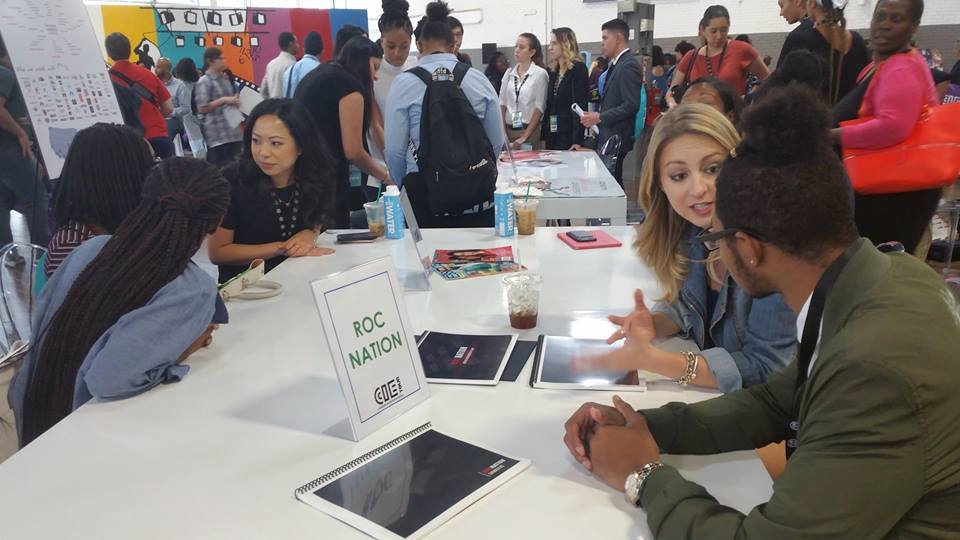
- Attend industry events: Film festivals, music conferences, workshops, and trade shows are excellent places to meet peers and established professionals.
- Informational interviews: Reach out to people in roles you admire for a brief chat about their career path.
- Collaborate: Work on independent projects with fellow aspiring professionals. Many successful careers began with collaborations between emerging talents.
- Follow up: Send polite thank-you notes or emails after meetings. Maintain genuine connections over time.
Reliable relationships create steadier opportunities and build a strong professional reputation that will serve you throughout your career.
The Role of Formal Training & Continuous Learning
While talent is innate, skill is honed. Formal training (university degrees, specialized schools, conservatories) provides foundational knowledge, technical skills, and a network of peers. However, the learning never stops.
- Workshops & Masterclasses: Keep up with new techniques, technologies, and industry trends.
- Online Courses: Leverage platforms like LinkedIn Learning, Coursera, or MasterClass for specific skill development.
- Mentorship: Seek out experienced professionals who can offer guidance and insights.
Protecting Your Work: Intellectual Property & Contracts
In an industry built on creative assets, understanding how to protect your intellectual property is paramount. Whether you're a writer, composer, or designer, your creations have value.
- Copyright: Understand how to register your work and enforce your rights.
- Contracts: Learn the basics of employment contracts, performance agreements, and non-disclosure agreements (NDAs). Always have legal counsel review significant contracts.
- Documentation: Keep meticulous records of your work, its creation, and any agreements related to its use.
Finding Opportunities: Where to Look & How to Apply
Once you've honed your skills and built a network, the next challenge is finding concrete opportunities.
Online Platforms: Your Digital Job Board
While networking is crucial, online job boards are indispensable tools, especially for entry-level and mid-career positions. One of the most reputable resources is EntertainmentCareers.Net®.
Operating for over two decades, EntertainmentCareers.Net® stands out for its commitment to quality. They vet every company, manually screen all job postings, and offer a wealth of exclusive listings. This ensures you're looking at legitimate, current opportunities from reputable employers in the Entertainment and Digital Media Industries. Membership often provides early access to postings and tools to streamline your search, directly connecting you with thousands of companies seeking talent.
Internships: Your Foot in the Door
Internships are arguably the most effective way to gain practical experience, learn industry ropes, and build crucial connections. Many entertainment careers begin with an internship.
- Look for paid internships: While some may be unpaid, prioritize those that offer compensation.
- Seek out structured programs: These often provide better learning opportunities and mentorship.
- Treat it as a long interview: Show up early, work hard, be proactive, and make a lasting positive impression.
Freelance & Project-Based Work
A significant portion of the entertainment workforce operates on a project-by-project basis. This can be a great way to gain diverse experience and build a portfolio quickly.
- Start small: Offer your skills for independent films, student productions, local bands, or small events.
- Build a reputation: Word-of-mouth is powerful. Deliver excellent work, be reliable, and maintain professionalism.
- Manage your finances: As a freelancer, you're your own business. Understand taxes, invoicing, and budgeting for inconsistent income.
Common Pitfalls and How to Avoid Them
The journey in entertainment can be challenging, but anticipating common hurdles can help you navigate them more effectively.
- The "Glamour Trap": Don't be blinded by the perceived glamour. Most roles involve hard work, long hours, and significant stress. Focus on the craft and the contribution, not just the accolades.
- Ignoring the Business Side: Artists often neglect the legal, financial, and marketing aspects. Embrace these as essential components of a sustainable career.
- Lack of Resilience: You will face rejection. Learn from it, adapt, and keep moving forward. Personalize rejection at your peril.
- Poor Networking: Haphazard or self-serving networking is ineffective. Focus on building genuine relationships and offering value to others.
- Burning Bridges: The industry is smaller than it seems. Maintain professionalism and respect in all interactions, even when projects end or disagreements arise.
- Neglecting Self-Care: The demanding nature of the work can lead to burnout. Prioritize your physical and mental well-being to sustain a long career.
Your Blueprint for a Thriving Entertainment Career
Embarking on a career in the entertainment industry is an exciting venture, rich with potential for creativity, collaboration, and impact. It demands dedication, continuous learning, and a strategic mindset. By understanding the diverse roles, honing essential skills, building genuine relationships, and leveraging valuable resources, you can forge a path that is not only successful but deeply fulfilling.
Your journey will be unique, but the underlying principles remain constant: be passionate, be prepared, be persistent, and always treat each opportunity as a stepping stone to your next success. The stage, the screen, the studio—they're all waiting for your contribution.