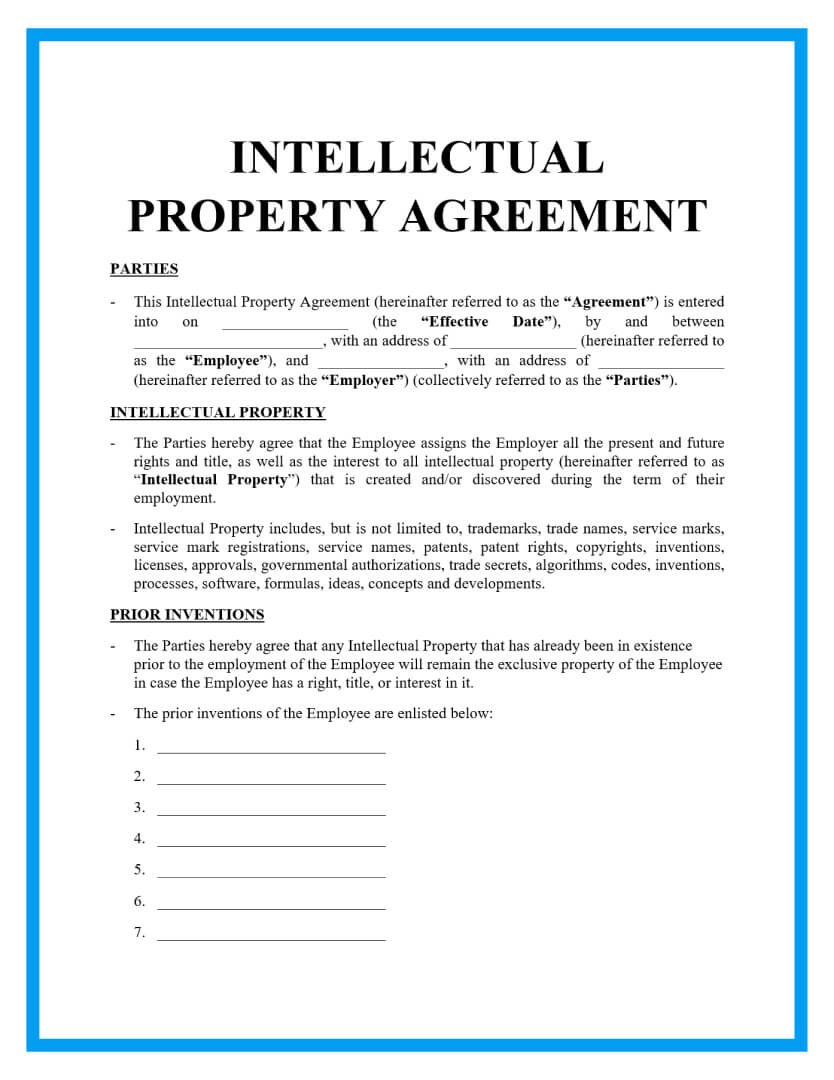
Navigating the intricate world of Legal, Contracts & Intellectual Property isn't just about avoiding trouble; it's about building a robust foundation for innovation and commercial success. Think of it as the ultimate operating manual for safeguarding your creative output, your brand, and your business relationships. Without a clear understanding of these intertwined principles, even the most brilliant idea can crumble under misuse, theft, or contractual ambiguity.
This isn't dry legal speak; it's a practical roadmap designed for founders, creators, business leaders, and anyone looking to protect their ingenuity in a dynamic marketplace. We'll demystify the jargon, highlight critical pitfalls, and equip you with the knowledge to make informed decisions that secure your assets and propel your ventures forward.
At a Glance: Your IP Protection Toolkit
- Contracts are Your Shield: Understand how agreements legally define ownership, prevent unauthorized use, and ensure you maintain control over your intellectual property (IP).
- Master the Basics: Grasp the core principles of contract law—offer, acceptance, consideration, legality, and capacity—to manage risks effectively.
- Key Agreements: Learn about Licensing, Assignment, Non-Disclosure Agreements (NDAs), and Joint Venture contracts, and when to use each.
- Essential Clauses: Identify the must-have provisions in IP contracts, such as ownership, licensing terms, and non-disclosure obligations.
- Enforcement Matters: Discover the legal remedies available if an IP contract is breached, including injunctions and damages.
- Licensing is Leveraged Growth: See how licensing allows you to generate revenue from your IP without transferring full ownership.
- Best Practices: Adopt strategies for clear drafting, careful negotiation, and regular review of your IP agreements.
Why Contracts Are the Bedrock of Intellectual Property Protection
In the bustling arena of innovation and commerce, ideas are currency. But an idea, no matter how groundbreaking, is vulnerable without legal protection. This is where contracts step in, playing a pivotal role in safeguarding intellectual property rights (IPR). They don't just put things on paper; they legally define the scope of rights, clarify ownership, erect barriers against unauthorized use, and ensure that IP holders retain essential control over their creations.
Think of a contract as a detailed blueprint for how your IP will interact with the world. It aligns legal protections with commercial transactions and innovative activities, turning abstract concepts like "brand identity" or "proprietary algorithm" into tangible assets with clear boundaries and enforceable rights. Without this legal framework, your innovative leap could easily become someone else's free ride.
Decoding the Core Principles of Contract Law for IP
Before we dive into specific types of IP agreements, let's briefly revisit the fundamental principles of contract law that underpin every effective IP transaction. These aren't just academic concepts; they're your guideposts for managing contractual risks, ensuring robust IP protection, and facilitating clear transfers or licenses.
Every valid contract, including those for intellectual property, generally requires:
- Offer: One party proposes specific terms for an agreement. For instance, a software developer offers a license to use their proprietary code.
- Acceptance: The other party unequivocally agrees to those terms. The licensee agrees to the terms of the software use.
- Consideration: Something of value is exchanged between the parties. This isn't always money; it could be a service, a promise, or even a forbearance (agreeing not to do something). In an IP license, it might be royalty payments in exchange for the right to use a trademark.
- Legality: The purpose and subject matter of the contract must be legal. You can't contract to, say, pirate copyrighted material.
- Capacity: Both parties must have the legal ability to enter into a contract. This means they must be of legal age, sound mind, and not under duress.
Understanding these principles helps you spot potential weaknesses in an agreement or avoid disputes down the line. It ensures that when you transfer or license your IP, the transaction is clear, binding, and supported by robust enforcement mechanisms.
Essential Legal Agreements that Shape IP Management
Not all IP contracts are created equal. Different agreements serve distinct purposes in facilitating the transfer, licensing, and overall management of intellectual property. Choosing the right type of contract for your specific needs is crucial.
1. License Agreements: Granting Permission, Retaining Control
Imagine you've created a unique piece of software, a catchy jingle, or a distinctive brand logo. You want others to use it, perhaps for a fee, but you definitely don't want to give up ownership. This is the realm of License Agreements.
A license agreement allows the IP owner (licensor) to authorize another party (licensee) to use their rights under specific conditions, often for commercial purposes, without transferring full ownership. It's like allowing someone to borrow your car under certain rules – they can drive it, but it's still yours. This mechanism lets you generate revenue, expand your IP's reach, and build brand presence while maintaining ultimate control over your asset.
2. Assignment Agreements: Shifting Full Ownership
Sometimes, you do want to give up full ownership. This is where an Assignment Agreement comes in. It involves the complete and exclusive transfer of ownership rights from one party to another.
Think of it as selling your car outright. Once the assignment is complete, the original owner typically retains no rights to the IP. This is common when a creator sells their patent to a larger corporation, or a freelancer assigns copyright for a design to their client. The contract must be clear about the scope of rights being transferred, their duration, any limitations, and the specific conditions of the transfer, including any territorial rights or specific reproduction/distribution rights.
3. Non-Disclosure Agreements (NDAs): The Secret Keepers
In the early stages of innovation or collaboration, protecting your confidential information is paramount. Non-Disclosure Agreements (NDAs), sometimes called confidentiality agreements, are your first line of defense.
These agreements protect trade secrets and proprietary information by establishing a legal obligation for the recipient to keep certain information confidential and prevent its misuse. Whether you're pitching a new product to an investor, sharing design specs with a manufacturer, or collaborating with a potential partner, an NDA ensures that your sensitive data remains under wraps, giving you a legal recourse if it's leaked.
4. Joint Venture or Collaboration Agreements: Shared Innovation
Innovation often thrives in collaboration. When multiple parties come together to jointly develop or commercialize IP, a Joint Venture (JV) or Collaboration Agreement becomes indispensable.
These contracts clearly define the rights, responsibilities, and profit-sharing arrangements among the collaborating parties. They establish who owns what IP created during the venture, how decisions will be made, what resources each party contributes, and how potential disputes will be resolved. Without such clarity, collaborative efforts can quickly devolve into disputes over ownership and control.
Critical Clauses to Cement Your IP Contracts
The devil is in the details, and in IP contracts, those details are often found in specific clauses that dictate how your rights are protected and exercised.
- Non-Disclosure Clause: As discussed with NDAs, this clause explicitly prohibits the disclosure of confidential information to unauthorized third parties. It should define what constitutes "confidential information," outline the duration of the confidentiality obligation, and specify permissible uses.
- Ownership Clause: This is perhaps the most crucial clause. It clearly states who owns existing IP, and—critically—who will own any new IP developed during the term of the agreement. For instance, in a work-for-hire scenario, this clause would confirm that the client owns the copyright to the commissioned work.
- License Clause: In a licensing agreement, this section outlines the precise terms under which the licensee can use the IP. This includes the scope of use (e.g., manufacturing, distribution, display), geographical limitations, duration, and any associated royalties or fees.
- Usage Restriction and Infringement Clause: This clause explicitly prohibits unauthorized exploitation or reproduction of the IP. It empowers the IP holder to take legal action if these restrictions are violated, often detailing the steps to be taken in case of infringement, including notification and legal remedies.
Real-World Pitfall: Ambiguous Ownership
Imagine a startup hires a freelancer to develop a mobile app. The contract vaguely states the freelancer will "deliver the app." No clear ownership clause. Six months later, the app is successful, and the freelancer claims co-ownership, demanding royalties, or even threatens to sell similar code to a competitor. This scenario, stemming from an ambiguous ownership clause, can lead to costly litigation, lost opportunities, and even the demise of the startup. Always be explicit about who owns what, especially for IP created during the agreement.
When Things Go Wrong: Enforcing IP Contract Breaches
Even with well-drafted contracts, disputes can arise. When an IP contract is breached – perhaps someone uses your licensed technology outside the agreed scope or leaks confidential information – legal enforcement mechanisms are your recourse.
Common remedies include:
- Injunctions: A court order prohibiting a party from taking certain actions, such as preventing further unauthorized use or disclosure of IP. This is often sought quickly to stop ongoing damage.
- Damages: Financial compensation awarded to the injured party. This can take several forms:
- Actual Damages: To compensate for direct financial losses.
- Lost Profits: To recover profits the IP holder would have made had the breach not occurred.
- Statutory Damages: Pre-defined amounts set by law, often used in copyright infringement cases where actual damages are hard to quantify.
- Specific Performance: A court order compelling the breaching party to fulfill their contractual obligations, often used when monetary damages are insufficient (e.g., forcing a party to transfer specific IP rights as agreed).
To facilitate more efficient and private resolution, especially in international transactions, many IP contracts include provisions for arbitration or other alternative dispute resolution (ADR) methods. These can often be quicker and less costly than traditional litigation.
Deep Dive into IP Licensing: Your Revenue Engine
As mentioned, licensing is a powerful tool for commercializing IP without relinquishing ownership. It's a strategic move that allows owners to generate revenue, expand market reach, and leverage their assets in diverse ways.
When you license your IP, you're essentially setting the terms for a third party's use. This means you retain control over crucial aspects like quality standards, brand image, and how your IP is perceived by the public. Think of Disney licensing its characters for merchandise – they don't sell Mickey Mouse, but they allow others to use his image on t-shirts and toys under strict guidelines, generating massive revenue in the process.
Types of Licenses: A Spectrum of Control
The specific terms of a license largely depend on the type of license granted:
- Exclusive License: Grants the licensee sole rights to use the IP within specified parameters (e.g., a particular territory, product line, or duration). The licensor cannot grant the same rights to anyone else, effectively giving the licensee a monopoly in that defined scope.
- Non-Exclusive License: Allows multiple licensees to use the same IP concurrently. This is common for software, stock photography, or patented components used in various products. The licensor can grant as many non-exclusive licenses as they wish.
- Sole License: A hybrid model where the licensee receives exclusive rights, but the licensor also retains the right to use the IP themselves. It's like having the only key to a special room, but the landlord also has a spare for their own occasional use.
Fundamental Elements for a Valid IP License
For an IP license contract to be legally sound and effective, several fundamental elements must be clearly articulated:
- Clear Identification of the IP: Precisely describe the IP being licensed (e.g., patent number, trademark registration, specific software version, copyrighted work title). Vagueness here is a recipe for disaster.
- Consideration (Royalties or Other Compensation): Detail the financial or other value exchanged for the license. This might be a lump-sum payment, upfront fees, or ongoing royalties.
- Scope of License: This is crucial. It defines what the licensee can and cannot do with the IP. Specifics include:
- Geographic Limits: Where can the IP be used (e.g., North America, EU, worldwide)?
- Permitted Use: How can it be used (e.g., for manufacturing, distribution, display, internal use, specific product lines)?
- Restrictions: Any prohibitions (e.g., no sublicensing, no modification, no use in competing products).
- Field of Use: For what specific industry or application can the IP be utilized?
- Duration: Specify the term of the license (e.g., 5 years, perpetual, until a patent expires).
- Renewal and Termination Provisions: Outline how the license can be renewed or terminated, including conditions for early termination (e.g., breach of contract, insolvency).
Rights and Obligations: Who Does What?
Clarity on responsibilities ensures a smooth licensing relationship.
Rights & Obligations of the Licensor (IP Owner):
- Rights:
- To grant specific use of the IP (e.g., manufacturing, distribution, reproduction).
- To retain full ownership of the IP.
- To receive agreed-upon royalties or compensation.
- To enforce quality control standards.
- Obligations:
- To provide the IP free from encumbrances (e.g., no prior conflicting licenses).
- To maintain and defend the IP against infringement by third parties (though this can sometimes be shared with the licensee).
- To refrain from granting conflicting licenses (for exclusive or sole licenses).
Rights & Obligations of the Licensee (User of IP):
- Rights:
- To use the IP according to the agreed-upon scope and terms.
- To exploit the IP commercially within those terms.
- Obligations:
- To comply strictly with the scope of use defined in the agreement.
- To maintain the confidentiality of any related sensitive information.
- To pay royalties and other financial obligations on time.
- To adhere to quality standards, especially in brand or product licensing.
The Money Talk: Financial Arrangements in Licensing
The financial structure of an IP license agreement dictates how the licensor generates revenue from their asset. This goes beyond just "royalties" and can include various components:
- Royalty Structure: How are royalties calculated?
- Based on Sales Revenue: A percentage of the net or gross sales generated by the licensed product/service.
- Per Unit Sold: A fixed amount for each unit of product manufactured or sold.
- Fixed Fee: A flat, recurring payment, regardless of sales volume.
- Payment Schedule: When are payments due? Monthly, quarterly, annually?
- Upfront Payments/Signing Fees: A one-time payment made at the beginning of the agreement.
- Minimum Royalties: A floor amount the licensee must pay regardless of sales, ensuring the licensor a base income.
- Reporting Requirements: Detailed clauses on how sales, production, or usage data must be reported to the licensor to calculate royalties accurately. This often includes audit rights for the licensor.
Consider a novelist licensing movie rights to a studio. They might receive an upfront fee, a percentage of box office gross, and a minimum guarantee against future streaming revenue. Explore the world of show business for more insights into creative rights management.
Beyond the Core: Confidentiality & Non-Competition
Two additional clauses often appear in IP contracts, especially licensing, collaboration, or employment agreements:
- Confidentiality Clauses: These clauses ensure that sensitive data, trade secrets, or proprietary technology shared during the contract remains protected from unauthorized use or disclosure. They are distinct from full-blown NDAs but serve a similar purpose within a larger agreement. They are crucial for protecting everything from customer lists and marketing strategies to research data and unique manufacturing processes.
- Non-Competition Clauses: These clauses restrict the licensee, employee, or partner from engaging in activities that directly compete with the licensor's (or employer's) business during and often for a period after the contract term. These are generally viewed more strictly by courts and must be reasonable in scope, duration, and geography to be enforceable. They prevent a party from using knowledge gained through the agreement to immediately become a direct rival.
Navigating the Minefield: Challenges and Disputes in IP Contracts
Despite best efforts, IP contracts are ripe for disputes. The very nature of intellectual property—often abstract, evolving, and highly valuable—creates complexities.
Common challenges include:
- Ambiguity and Interpretation Differences: What exactly constitutes "net sales"? Does "all digital rights" include future technologies not yet invented? Vague language can lead to vastly different interpretations of ownership rights, license scope, or confidentiality obligations.
- Enforcement Across Jurisdictions: An agreement made in the US might be challenged in Germany, or an infringement in China might require local legal action. Varying legal systems, enforcement standards, and cultural norms can complicate matters significantly.
- Rapid Technological Advancement: Contracts drafted years ago might become obsolete as new technologies emerge. Does a license for "broadcast rights" cover streaming services? This requires foresight and adaptive drafting.
International Contract Law & IP: The global nature of IP means international agreements and treaties, such as the TRIPS Agreement (Trade-Related Aspects of Intellectual Property Rights), provide a framework for cross-jurisdictional IP agreements. These aim to harmonize standards and facilitate dispute resolution, but navigating them still requires specialized expertise.
Crafting Clarity: Best Practices for IP Contracts
The goal of any IP contract is to provide clarity, minimize risk, and secure value. Here are some best practices for drafting and negotiating these critical agreements:
- Be Crystal Clear with Definitions: Define every key term, especially IP-related ones (e.g., "Licensed Products," "Territory," "Confidential Information," "Improvements"). Leave no room for ambiguity.
- Detail Rights and Obligations: Explicitly state what each party can and cannot do, what they must provide, and what they are entitled to. This includes ownership of existing IP, ownership of newly developed IP, scope of license, duration, and territorial limitations.
- Specify Key Clauses: Ensure all essential clauses—ownership, licensing terms, non-disclosure, dispute resolution, governing law, and termination—are robust and tailored to your specific situation.
- Anticipate Potential Issues: Think through "what if" scenarios: What if the licensee goes bankrupt? What if there's an infringement? What if the product fails to meet quality standards? Include clauses that address these contingencies.
- Compliance with Applicable Law: Ensure the contract adheres to all relevant national and international laws. This is particularly crucial for clauses related to non-competition, privacy, and consumer protection.
- Involve Legal Experts: This is non-negotiable. Engage experienced legal counsel who specialize in IP and contract law from the outset. They can identify nuances, draft precise language, and protect your interests far better than a generic template.
- Regular Review and Updates: The business landscape, technology, and legal standards evolve. Review and update your contracts periodically (e.g., every 1-3 years or upon significant business changes) to ensure they remain relevant, effective, and compliant.
Your Next Steps: Building a Robust IP Strategy
Understanding the nuances of legal agreements, contracts, and intellectual property is not just a defensive measure; it's a proactive strategy for growth and innovation. From protecting your initial spark of an idea with an NDA to generating revenue through a carefully constructed license, each legal step you take solidifies your position and expands your potential.
Start by auditing your existing IP. Do you know what you own? Is it registered? Then, assess your business relationships. Where are you sharing information? Where are you collaborating? For each scenario, ask yourself: Is there a clear, legally binding agreement in place? Does it protect my interests?
Investing time and resources into solid IP contracts today will save you countless headaches, legal battles, and lost opportunities tomorrow. It allows you to innovate boldly, knowing your creative efforts are secure. Your ideas are valuable; ensure your contracts reflect that.