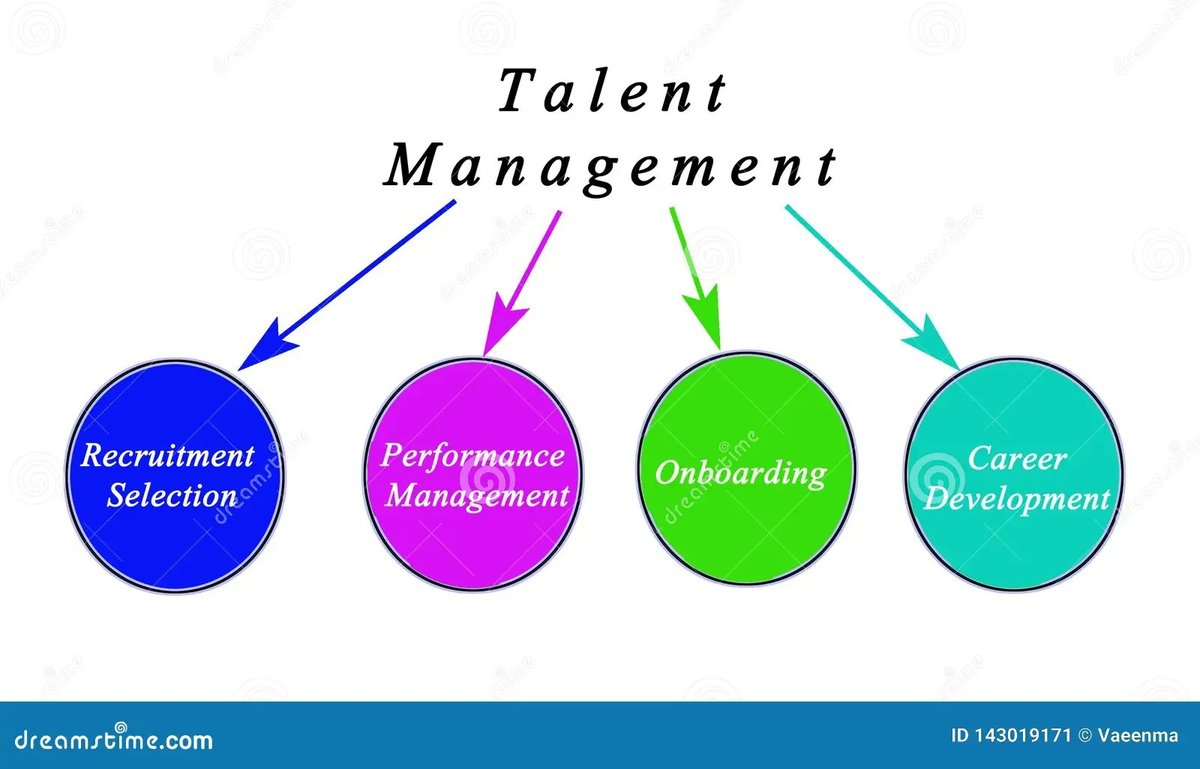
In today's fast-paced business landscape, your most valuable asset isn't your product, your technology, or your market share – it's your people. How you attract, grow, and retain that talent fundamentally dictates your organization's ability to innovate, adapt, and ultimately, thrive. This isn't just about HR paperwork; it's about a strategic imperative called Talent Management & Development. It's the engine that fuels future growth and builds the agility your business needs to stay ahead.
Think of it this way: every successful organization, much like the world of show business, needs to consistently scout, nurture, and showcase its stars. Without a clear strategy to do so, even the most promising ventures can falter.
At a glance: What You'll Learn
- The crucial difference between Talent Management (the strategic framework) and Talent Development (the growth engine within it).
- Why investing in your people isn't just nice-to-have, but a core driver of profitability, productivity, and innovation.
- Common hurdles businesses face when trying to build a robust talent strategy.
- Key trends shaping the future of how we work and grow.
- A practical, step-by-step guide to building your own impactful talent strategy.
- Mistakes to avoid that can derail even the best intentions.
Beyond Buzzwords: What is Talent Management & Development, Really?
It’s easy to throw around terms like “talent strategy,” but what do they truly mean? Often, Talent Management and Talent Development are used interchangeably, yet they represent distinct, albeit deeply interconnected, facets of building a high-performing workforce. Understanding their unique roles is the first step toward crafting an effective strategy.
The Strategic Blueprint: Understanding Talent Management
At its core, Talent Management is a strategic, holistic process. It’s the overarching framework that ensures your organization has the right people, with the right skills, in the right roles, at the right time, to meet both current and future business objectives. It views employees not just as workers, but as valuable assets whose potential needs to be maximized and aligned with the company’s vision.
Imagine building a championship sports team. Talent management is the general manager's job: scouting potential players, negotiating contracts, deciding who stays and who goes, ensuring a balanced roster, and planning for future drafts and retirements.
Its scope is broad, encompassing:
- Workforce Planning: Forecasting future talent needs and identifying gaps.
- Recruitment & Onboarding: Attracting, selecting, and integrating new hires.
- Performance Management: Setting goals, monitoring progress, and providing feedback.
- Succession Planning: Identifying and preparing internal candidates for key roles.
- Retention Strategies: Keeping your best people engaged and committed.
It's essentially an organization-centric approach, focused on the strategic deployment and optimization of human capital.
Fueling Growth: Diving into Talent Development
If Talent Management is the strategic blueprint, then Talent Development is the construction crew actively building and enhancing the capabilities of your people. It’s a more focused, tactical aspect that lives within the larger talent management framework. Its primary goal is to enhance individual employee skills, knowledge, and capabilities.
Using our sports analogy, talent development is the coaching staff and training regimen: daily practice, skill drills, video analysis, and personalized conditioning programs designed to make each player better. It's about nurturing individual potential.
Talent Development typically involves:
- Training Programs: Structured learning to impart new skills or knowledge.
- Mentoring & Coaching: Guidance and support from experienced individuals.
- Career Pathing: Helping employees map out their professional journey within the organization.
- Leadership Development: Preparing individuals for management and executive roles.
- Cross-functional Experiences: Giving employees exposure to different parts of the business.
This is a more employee-centric and proactive approach, emphasizing growth and potential, ultimately building a skilled and adaptable workforce for future challenges.
Why They're Two Sides of the Same Coin
You can't effectively manage talent without developing it, and you can't develop talent in a vacuum without a strategic management plan. Talent Management provides the why and the what – why these skills are needed, and what roles need filling. Talent Development provides the how – how employees will gain those skills and grow into those roles. They are symbiotically linked, each strengthening the other to create a resilient, high-performing organization.
The Untapped Power: How Strategic Talent Nurturing Drives Success
Investing time, resources, and effort into comprehensive Talent Management & Development isn't merely a cost; it's a strategic investment with significant returns. The benefits ripple across the entire organization, from the bottom line to company culture.
Boosting Performance and Productivity
When employees are well-matched to their roles, receive ongoing training, and understand how their work contributes to larger goals, performance naturally improves. They become more efficient, produce higher quality work, and contribute more effectively. Companies with strong talent strategies experience a notable edge, with research showing they achieve 18% higher productivity than their peers.
Forging Engagement and Loyalty
People want to grow. When organizations offer clear development paths, mentorship, and opportunities to learn new skills, employees feel valued and invested in. This leads to significantly higher job satisfaction and engagement. Highly engaged teams are less likely to leave, contributing to better talent retention and reducing the costly churn of recruitment and onboarding. It's a powerful antidote to the "great resignation" trend.
Building an Agile, Future-Ready Workforce
The business world is in constant flux. Market demands shift, new technologies emerge, and global events create unforeseen challenges. Organizations that prioritize talent management and development cultivate a workforce capable of adapting quickly. By continuously upskilling and reskilling employees, you build organizational agility, ensuring your teams can pivot and respond effectively, rather than being caught flat-footed.
Cultivating Innovation and a Positive Brand
A culture that values learning and growth naturally fosters innovation. When employees are encouraged to experiment, take calculated risks, and continuously improve their capabilities, new ideas flourish. Furthermore, a reputation for developing its people makes an organization highly attractive. It strengthens your employer brand, drawing in top external talent and setting you apart in a competitive market.
Beyond these tangible benefits, the C-suite clearly sees the value. An impressive 88% of C-suite executives consider employee education critical for their organization's success. It’s not just a feel-good initiative; it’s a fundamental business driver. In fact, organizations with strong talent strategies also experience 23% higher profitability.
Navigating the Rocky Terrain: Common Challenges in Talent Strategy
Despite the undeniable benefits, building and maintaining an effective Talent Management & Development strategy is far from easy. Organizations frequently encounter significant hurdles that can slow progress or even derail initiatives. Understanding these challenges is the first step toward overcoming them.
Finding and Keeping the Best
In a fiercely competitive global market, identifying and retaining top talent is a constant battle. The best individuals often have multiple options, and simply offering a good salary isn't enough. Organizations must compete on culture, growth opportunities, and a compelling vision.
Aligning Strategy with Business Goals
A common pitfall is creating talent initiatives in isolation. The biggest challenge often lies in developing a comprehensive talent strategy that is truly aligned with overarching business goals. If HR's development programs don't directly support the company's strategic priorities (e.g., expanding into a new market, launching a new product line), their impact will be minimal.
Resource Constraints and Time Pressure
Every department operates with budgets and deadlines. Balancing short-term needs with long-term development goals can be tricky. It's easy to push development to the back burner when immediate operational demands loom large. Furthermore, providing adequate development opportunities, especially with limited resources, requires creative thinking and prioritization.
Keeping Pace with Change
The speed of technological advancements and evolving job requirements means that skills can quickly become obsolete. Keeping pace with technological advancements and ensuring your workforce has the most relevant skills is a continuous race. This also includes adapting to changing demographics and diverse workforce needs, which requires inclusive and flexible talent strategies.
Creating a Culture of Continuous Learning
True talent development isn't about isolated training events; it's about fostering an environment where learning is part of the daily fabric of work. Creating a culture of continuous learning demands commitment from leadership, managers, and employees alike, and overcoming resistance to change.
Measuring the Effectiveness of Talent Initiatives
Perhaps one of the most persistent challenges is measuring the effectiveness of talent initiatives. How do you quantify the ROI of a leadership program or the impact of a mentorship scheme? Without clear metrics, it's difficult to justify investments or make data-driven improvements.
The Road Ahead: Future-Proofing Your Talent Approach
The world of work is evolving at an unprecedented rate, driven by technology, shifting demographics, and new societal expectations. Forward-thinking organizations are already adapting their Talent Management & Development strategies to these emerging realities.
Skills Over Degrees: A New Hiring Paradigm
The traditional emphasis on academic degrees is shifting. Increasingly, employers are focusing on demonstrable skills and competencies. This trend towards skills-based hiring opens up talent pools, promotes diversity, and ensures that candidates truly possess the capabilities needed for the role, regardless of their formal education path.
Personalized Journeys for Every Employee
One-size-fits-all training programs are becoming obsolete. The future lies in personalized learning and development experiences, tailored to individual employee needs, career aspirations, and learning styles. AI and data analytics play a key role in recommending relevant courses, mentors, and growth opportunities.
Adapting to the Hybrid Workplace
Remote and hybrid work models are here to stay. Talent strategies must evolve to support adaptation to remote work and virtual teams, including effective virtual onboarding, remote performance management, and digital collaboration tools for development. Maintaining culture and connection across distributed teams is a core focus.
Data as Your Guiding Star
Gut feelings are no longer enough. The future of talent management is intrinsically linked to increased use of data-driven decision-making. From recruitment analytics to learning effectiveness metrics and employee engagement surveys, data provides actionable insights to refine strategies and demonstrate ROI.
Well-being Takes Center Stage
Employee well-being is no longer a perk; it's a strategic imperative. Organizations are realizing that a healthy, supported workforce is a productive one. Expect a greater focus on employee well-being, encompassing mental health support, work-life balance initiatives, and fostering an inclusive and supportive work environment.
AI and Automation: Allies in Talent Management
Technology isn't just changing how we work, but how we manage talent. Expect the integration of AI and automation for various processes, including:
- Recruitment: AI-powered resume screening, chatbots for candidate interaction, and predictive analytics for hiring success.
- Personalized Learning: AI recommending tailored content and learning paths.
- Performance Management: AI assisting with feedback analysis and identifying coaching opportunities.
- HR Administration: Automating routine tasks to free up HR professionals for more strategic work.
These technologies aim to augment human capabilities, making talent processes more efficient, fair, and effective.
Your Blueprint for Impact: Building an Effective Talent Strategy
Crafting a robust Talent Management & Development strategy doesn't happen overnight, but by following a structured approach, you can build a framework that drives sustainable success.
Step 1: Charting Your Organizational North Star
Before you can build a talent strategy, you need to know where your business is going. Identify your organizational goals: what are your long-term business objectives? Are you planning to expand into new markets, launch new products, or undergo digital transformation? Your talent strategy must directly support these overarching goals. Without this clarity, your talent efforts will lack direction and impact.
Step 2: Defining the Competencies That Matter
Once you know your destination, you need to understand the skills required for the journey. Build competency frameworks that outline the essential skills, behaviors, and knowledge required for success in each role, and for the organization as a whole. This isn't just about technical skills; it includes leadership capabilities, problem-solving abilities, communication, and emotional intelligence. These frameworks become the benchmark for hiring, performance evaluation, and development.
Step 3: Taking Stock of Your Current Talent
You can't plan effectively without understanding your starting point. Assess your current talent and culture. Use employee assessments, skills inventories, performance reviews, and engagement surveys to evaluate existing strengths, identify critical skill gaps, and understand the cultural dynamics at play. This audit provides a realistic view of your internal capabilities and where development is most needed.
Step 4: Crafting a Recruitment Engine
Your talent pipeline needs a strong entry point. Create a recruitment plan that's not just about filling immediate vacancies, but also about building a long-term talent pipeline. This includes defining your employer brand, optimizing your sourcing strategies (e.g., internal referrals, diverse recruiting channels), and designing an efficient, unbiased selection process. Think about immediate hiring needs and how you'll attract the talent you'll need in 3-5 years.
Step 5: Fostering a Culture of Continuous Learning
This is where Talent Development truly shines. Implement ongoing learning and development initiatives. This goes beyond sporadic training courses. Think about:
- Formal Training: Workshops, online courses, certifications relevant to competency gaps.
- Informal Learning: Mentorship programs, coaching, job shadowing, cross-functional projects.
- Performance Support: Access to resources, tools, and just-in-time learning.
- Feedback Loops: Regular, constructive feedback as a core development tool.
The goal is to embed learning into the daily workflow, making it a natural part of an employee's journey.
Step 6: Cultivating Tomorrow's Leaders Today
Don't wait until a critical role is vacant to start thinking about who will fill it. Implement robust succession planning. Identify high-potential employees, assess their readiness for future leadership or specialist roles, and then create targeted development plans for them. This might involve leadership training, executive coaching, or strategic rotational assignments to broaden their experience. This proactive approach ensures continuity and a strong internal leadership bench.
Avoiding the Talent Traps: Mistakes to Sidestep
Even with the best intentions, organizations can stumble when implementing talent strategies. Being aware of common pitfalls can save you significant time, resources, and frustration.
Thinking Short-Term, Missing the Big Picture
One of the most frequent errors is treating talent development as a standalone initiative, disconnected from workforce planning. Development shouldn't be a reaction to immediate problems but a proactive investment. If you're only training for today's needs, you're already behind on tomorrow's. Connect every development activity back to your long-term business strategy.
The External-Hire Addiction
While external hiring is sometimes necessary, over-reliance on external hiring, neglecting internal growth, is a costly mistake. It demoralizes existing employees, sends a message that internal pathways are limited, and often leads to higher recruitment costs and longer ramp-up times for new hires. Prioritize developing and promoting from within whenever possible.
Confusing Performance with Potential
A high-performing individual in their current role isn't automatically ready for a leadership position or a significant career leap. Assuming strong current performance equates to future leadership readiness without specific development can lead to placing people in roles they aren't equipped for, leading to frustration for both the individual and the team. Potential needs to be identified, assessed, and then developed through targeted interventions.
Development Without Measurement
"We offer a lot of training" isn't a strategy. Running development programs without clear feedback or outcome measurement means you're operating in the dark. How do you know if the programs are effective? Are they improving skills, changing behaviors, or impacting business results? Define clear metrics (e.g., pre/post-assessment scores, performance improvements, retention rates of developed employees) to evaluate the ROI and refine your initiatives.
HR's Burden Alone
Talent management and development are too critical to be confined solely to HR. Confining talent initiatives to HR, without active involvement from leaders and managers, is a recipe for failure. Managers are on the front lines, best positioned to identify talent, provide coaching, and support development. Leadership must champion the strategy, allocate resources, and model the desired behaviors for a culture of continuous growth to truly take hold.
Myth vs. Reality: Answering Your Talent Management Questions
Let's address some common misconceptions to provide clarity and empower your approach.
Is talent management just for large corporations?
Absolutely not. While large enterprises might have dedicated departments, the principles of attracting, developing, and retaining great people apply to businesses of all sizes. For smaller companies, it might mean the owner or a senior manager taking on talent responsibilities, perhaps leaning on external consultants or accessible online resources. The need for the right people is universal.
How quickly can we see results from these strategies?
Some benefits, like improved employee engagement or reduced turnover, might show initial improvements within 6-12 months. However, the full impact of a comprehensive talent strategy, especially in areas like succession planning and leadership development, is a long-term game, often requiring 2-5 years to see significant, systemic change and a robust talent pipeline. It's a marathon, not a sprint.
What if we don't have a dedicated HR department?
Many small to medium-sized businesses operate without a full HR team. In such cases, talent management becomes a shared responsibility among senior leadership. You can leverage HR software, outsource specific functions (like recruitment or payroll), and focus on building core processes manually. The key is to consciously allocate time and effort to these critical functions, rather than letting them happen by accident.
Isn't talent development just expensive training?
No. While training is a component, talent development encompasses a much broader, more cost-effective spectrum of activities. This includes mentorship, coaching, job shadowing, stretch assignments, peer learning, and even self-directed learning through online resources. Many high-impact development initiatives are low-cost or even free, requiring more time and intentionality than significant financial outlay.
Beyond the Finish Line: Your Next Steps for a Thriving Workforce
The journey of Talent Management & Development is continuous, reflecting the dynamic nature of your business and its people. It's not a program you implement and then forget; it's a living, breathing strategy that requires ongoing attention, adaptation, and commitment.
Your next step isn't to overhaul everything overnight. It's to start small, think big. Begin by honestly assessing where your organization stands today in terms of talent. What are your most pressing needs? Where are your biggest gaps? Then, identify one or two areas from the implementation steps—perhaps defining key competencies or launching a mentorship program—and build momentum from there.
Remember, your people are your greatest advantage. By strategically investing in their growth and aligning their potential with your business objectives, you're not just preparing for the future; you're actively building it. Embrace this journey, champion a culture of continuous learning, and watch your business not just survive, but truly thrive.